

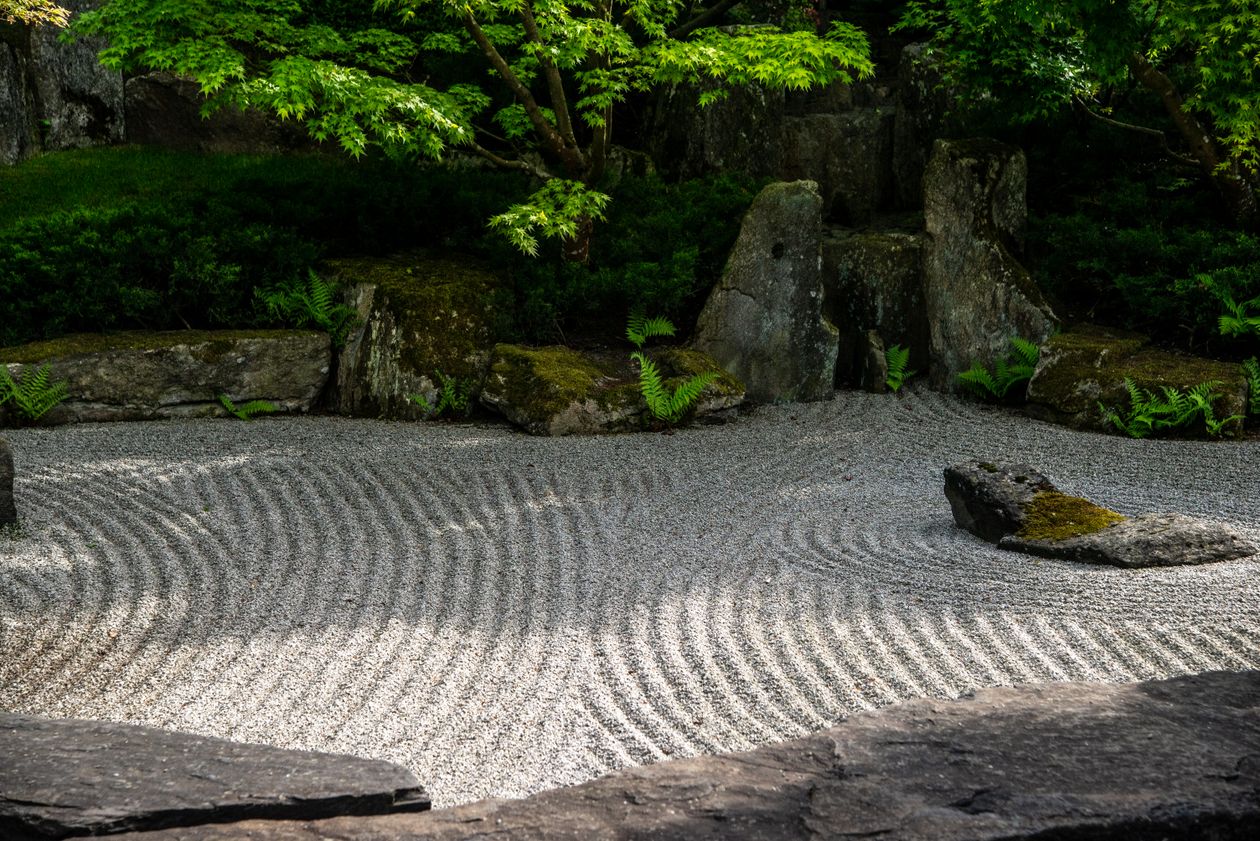
Photo via Pexels
Zen
Meditation traditions descending from Chinese Chan — including Japanese Zen, Korean Sŏn, and Vietnamese Thiền.
Zen is the Japanese reading of Chinese Chan (禪), itself from Sanskrit dhyāna — meditation. The tradition emphasizes direct experience of mind through seated meditation (zazen), encounter dialogue, and everyday activity as practice.
Chan flourished in Tang and Song China and spread to Korea (Sŏn), Vietnam (Thiền), and Japan (Zen). Japanese schools such as Sōtō and Rinzai shaped much of how Zen is known in the West, though Chinese, Korean, and Vietnamese lineages are equally vital. Hallmarks include silent illumination, kōan introspection, and a suspicion of mere intellectualism without embodied realization.
Western Zen includes large residential centers, small sitting groups, and hybrid sanghas. Related pages cover Sōtō, Rinzai, Ōbaku, Chan, Sŏn, Thiền, Sanbō Zen, and Dharma Drum.
Practices
Zazen / sitting meditation
Upright seated practice — shikantaza (“just sitting”) or breath-counting — as the core discipline.
Kōan practice
Working with paradoxical cases under a teacher’s guidance, especially in Rinzai-derived lines.
Kinhin & work practice
Walking meditation and mindful labor that extend awakening into daily activity.
Sesshin
Intensive multi-day retreats with long sitting schedules and oryoki meals.
Texts
- Zen Mind, Beginner's Mind
Shunryu Suzuki
The Platform Sutra
Huineng (attr.)
Foundational Chan scripture.
Moon in a Dewdrop
Dōgen (ed. Kazuaki Tanahashi)
Teachers
256 in the directory · showing 8

Places
1038 in the directory · showing 8
- Center
A Compassionate Mind Sangha
5090 Center Street. Salem OR 97317BuddhistZen - Center
A.Z.I. Association Zen Internationale - Les Montils
Principal Temple, Temple Zendonien Tai Sei Bukkyo Dai Ichi La Gendronnière Commune De Valaire 41120 Les MontilsBuddhistZen - Center
ACEM Kurszentrum
Kampstraße 24-28, 20357 Hamburg-Altona, GermanyBuddhistZen - Center
ASBL Le Geste Zen
Rue Alphonse De Witte 5, 1050 Ixelles, BelgiumBuddhistZen  Center
AZI Zen Group
Varsovie, 01-517 Mickiewicza 13-15 M. 16ABuddhistZen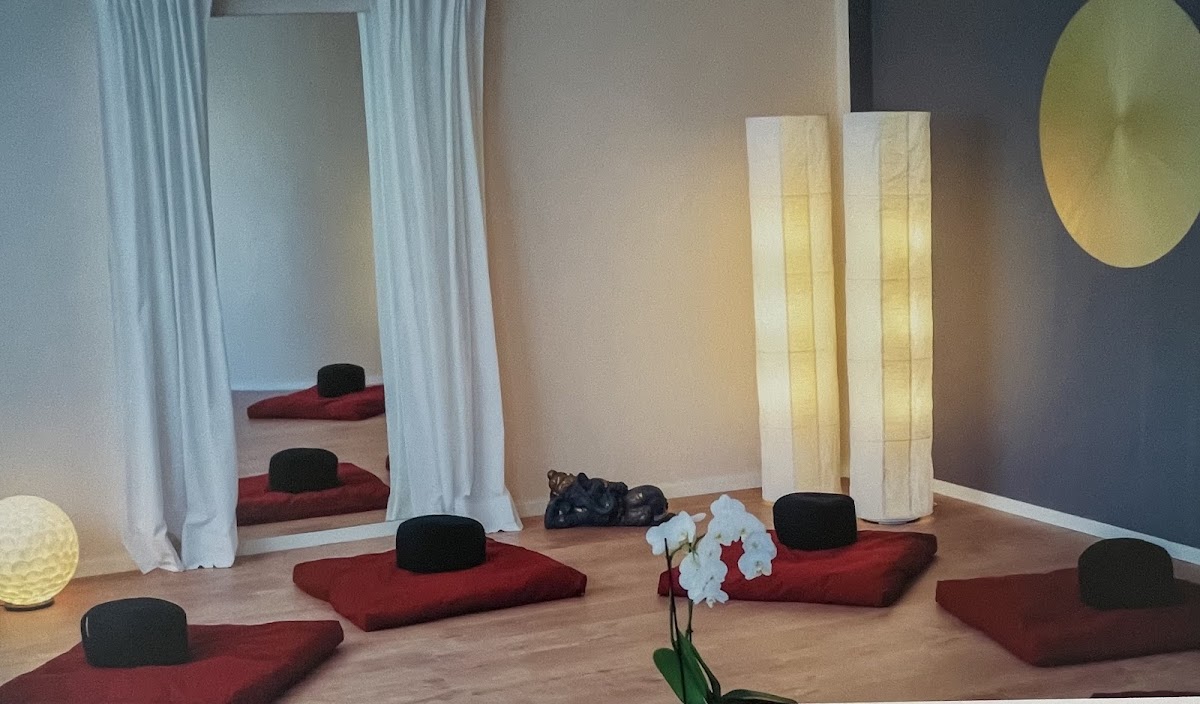 Center
Achtsamkeits-Zentrum Köln - Michael Breker
Lothringer Str. 14, 50677 Köln, GermanyBuddhistZen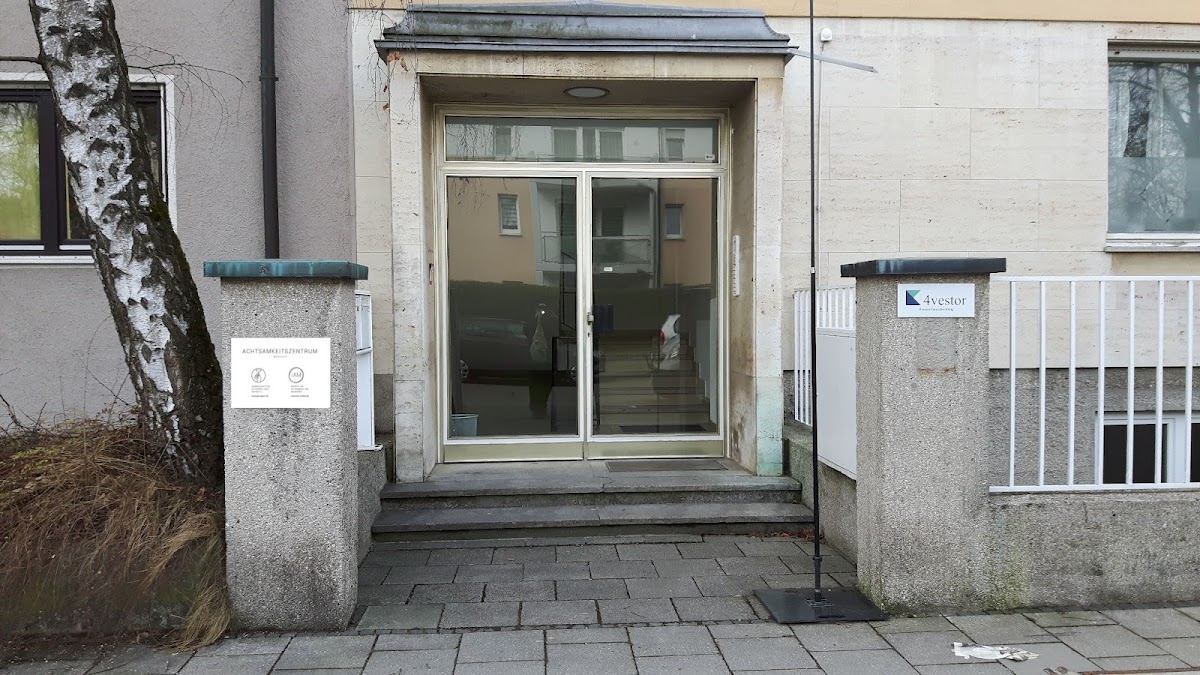 Center
Achtsamkeitszentrum München
Treffauerstraße 19, 81373 München-Sendling-Westpark, GermanyBuddhistZen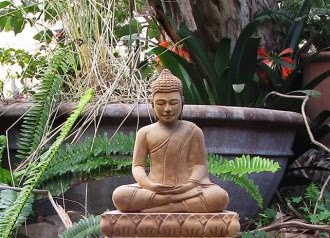 Center
Adelaide Zen Group
172 Hutt St, Adelaide SA 5000, AustraliaBuddhistZen