

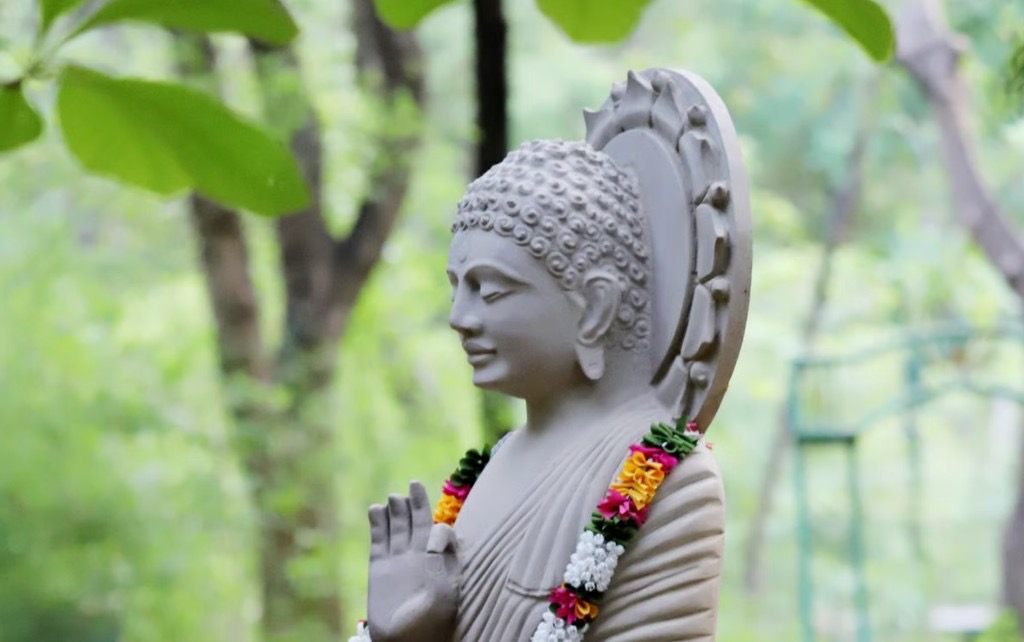
Photo via Pexels
Buddhism
A family of traditions arising from the teachings of the Buddha, spanning meditation, ethics, and insight across Asia and the modern world.
Buddhism began in northern India in the fifth or fourth century BCE with the awakening of Siddhartha Gautama — the Buddha — and the community that formed around his teaching. At its heart is a diagnosis of human suffering (dukkha) and a path of ethical conduct, mental training, and wisdom that leads toward liberation.
Over centuries the Dharma traveled along trade routes into Central, East, and Southeast Asia. Distinct canons, languages, and institutional forms emerged: the Pali Tipitaka of Theravāda; the vast Mahāyāna sūtra collections of East Asia; and the tantric and scholastic systems of Tibet and the Himalayas. What unites these streams is less a single creed than a shared concern with awakening, compassion, and the end of clinging.
In the modern era, Buddhist practice has taken root far beyond Asia — in meditation centers, temples, universities, and living rooms. Lineages that once were geographically distant now sit side by side. Dharma Atlas maps those communities so practitioners can find teachers, sanghas, and places of practice connected to the traditions below.
Major streams
- Theravāda — the “Teaching of the Elders,” prominent in Sri Lanka and mainland Southeast Asia, with a strong emphasis on the Pali Canon and monastic vinaya.
- Mahāyāna — the “Great Vehicle,” encompassing Zen, Pure Land, and many East Asian schools that emphasize the bodhisattva ideal.
- Vajrayāna / Tibetan — esoteric and scholastic lineages of Tibet, Bhutan, Mongolia, and the Himalayan borderlands.
Each lineage and school on this site has its own page with practices, texts, teachers, and places.
Practices
Ethical precepts
Training in non-harming, honesty, and restraint — traditionally five precepts for laypeople and fuller vinaya for monastics.
Meditation (samādhi)
Calm abiding and insight practices that stabilize attention and investigate the nature of experience.
Wisdom (prajñā)
Study and contemplation of dependent arising, not-self, and emptiness as paths to liberation.
Sangha life
Practicing with a community — temples, centers, and retreats that sustain daily discipline.
Texts
- The Heart of the Buddha's Teaching
Thich Nhat Hanh
Accessible overview of core doctrines and practices.
What the Buddha Taught
Walpola Rahula
Classic introduction grounded in the Pali sources.
In the Buddha's Words
Bhikkhu Bodhi (ed.)
Anthology of discourses from the Pali Canon.
Teachers
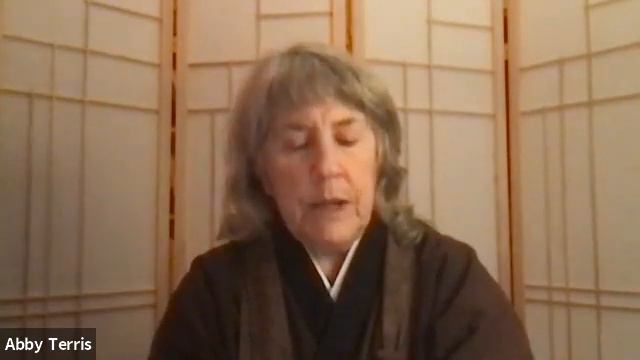
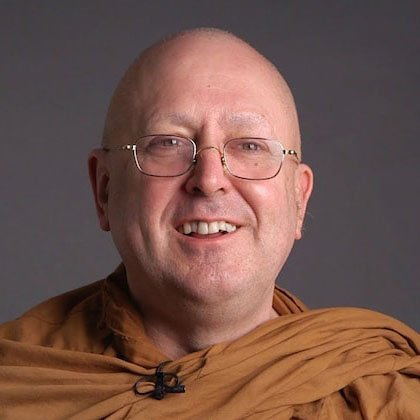
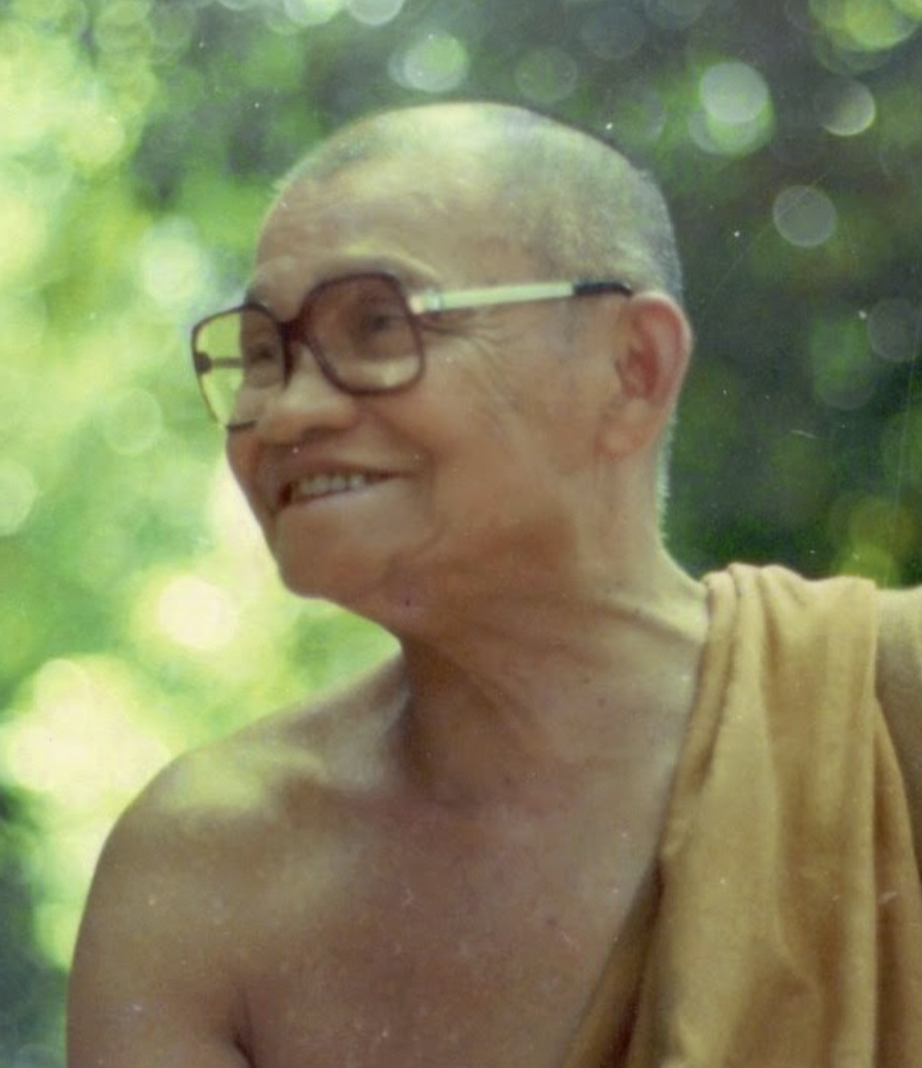
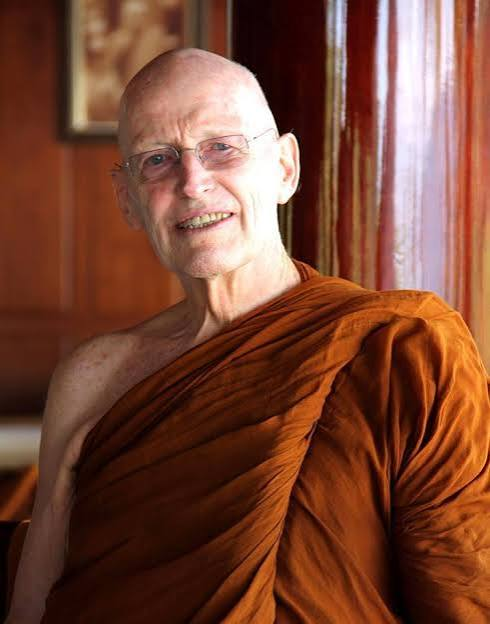
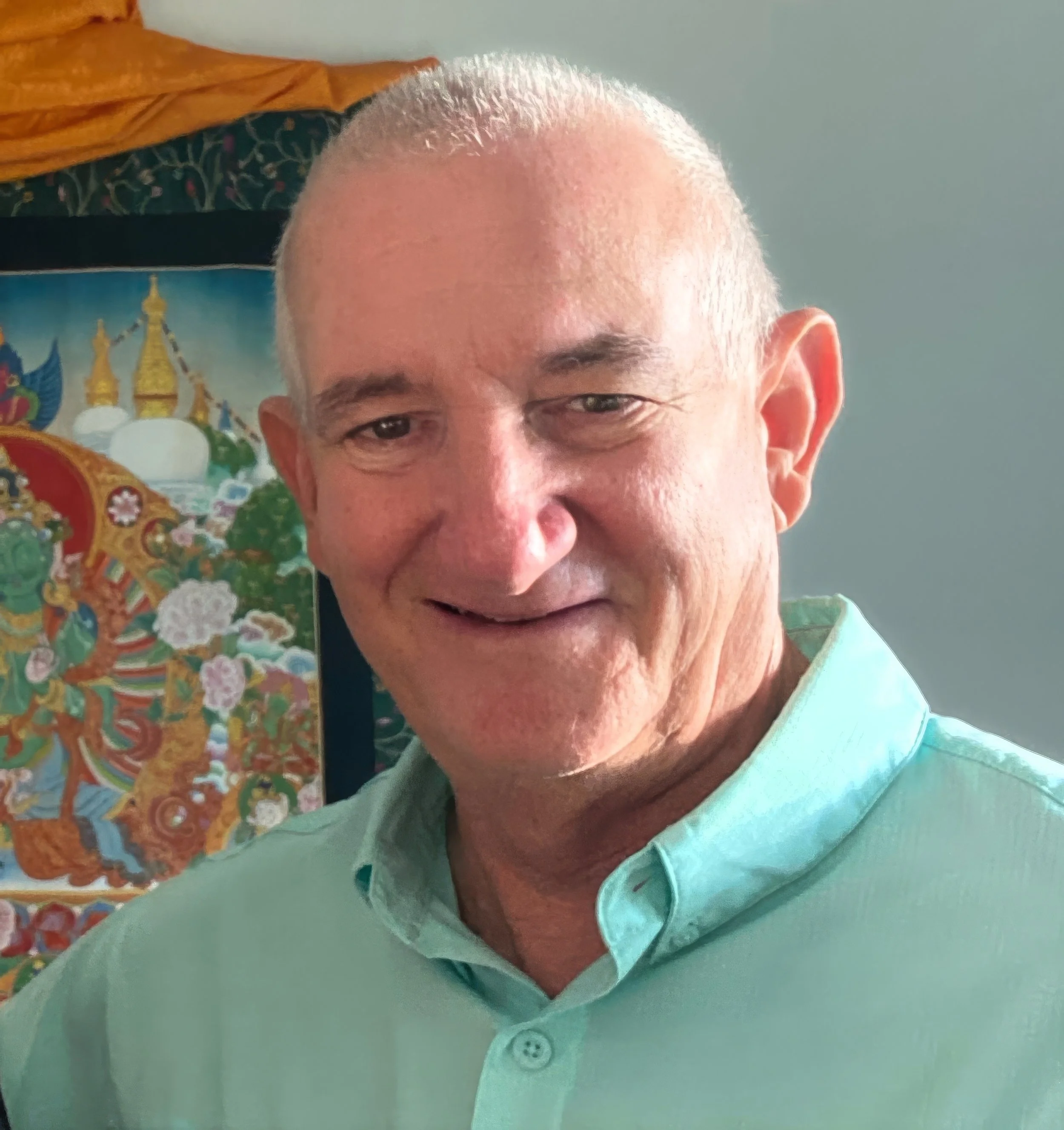
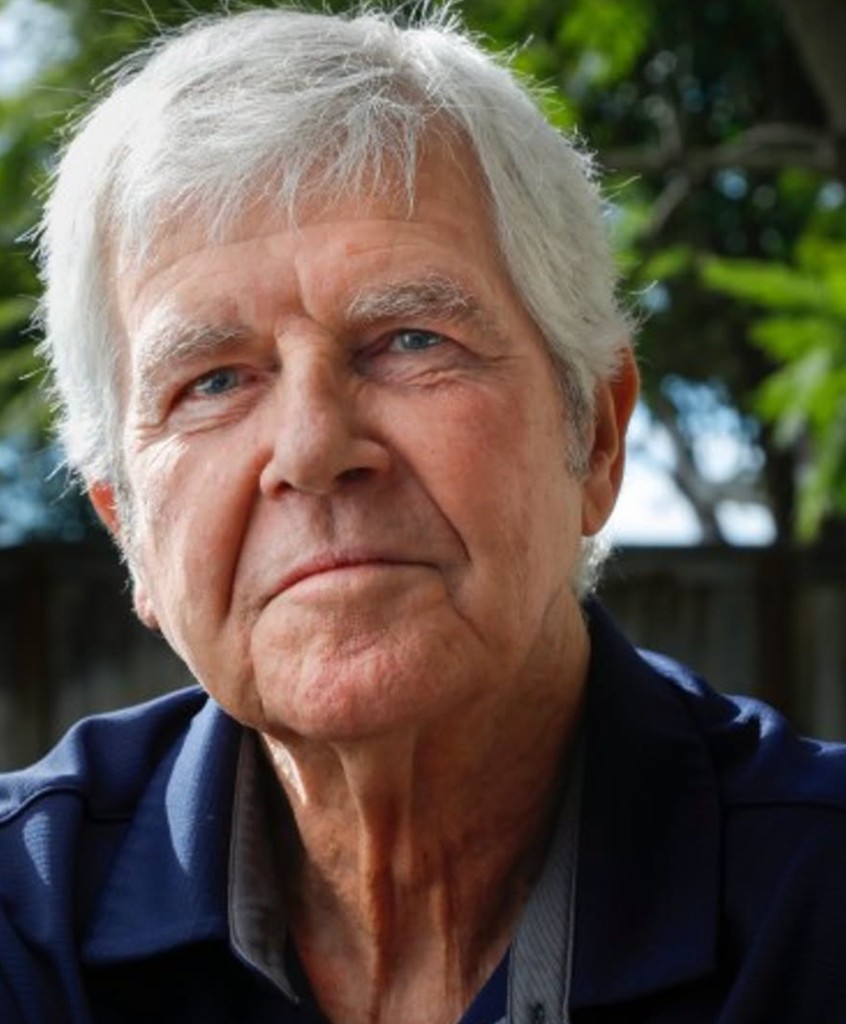
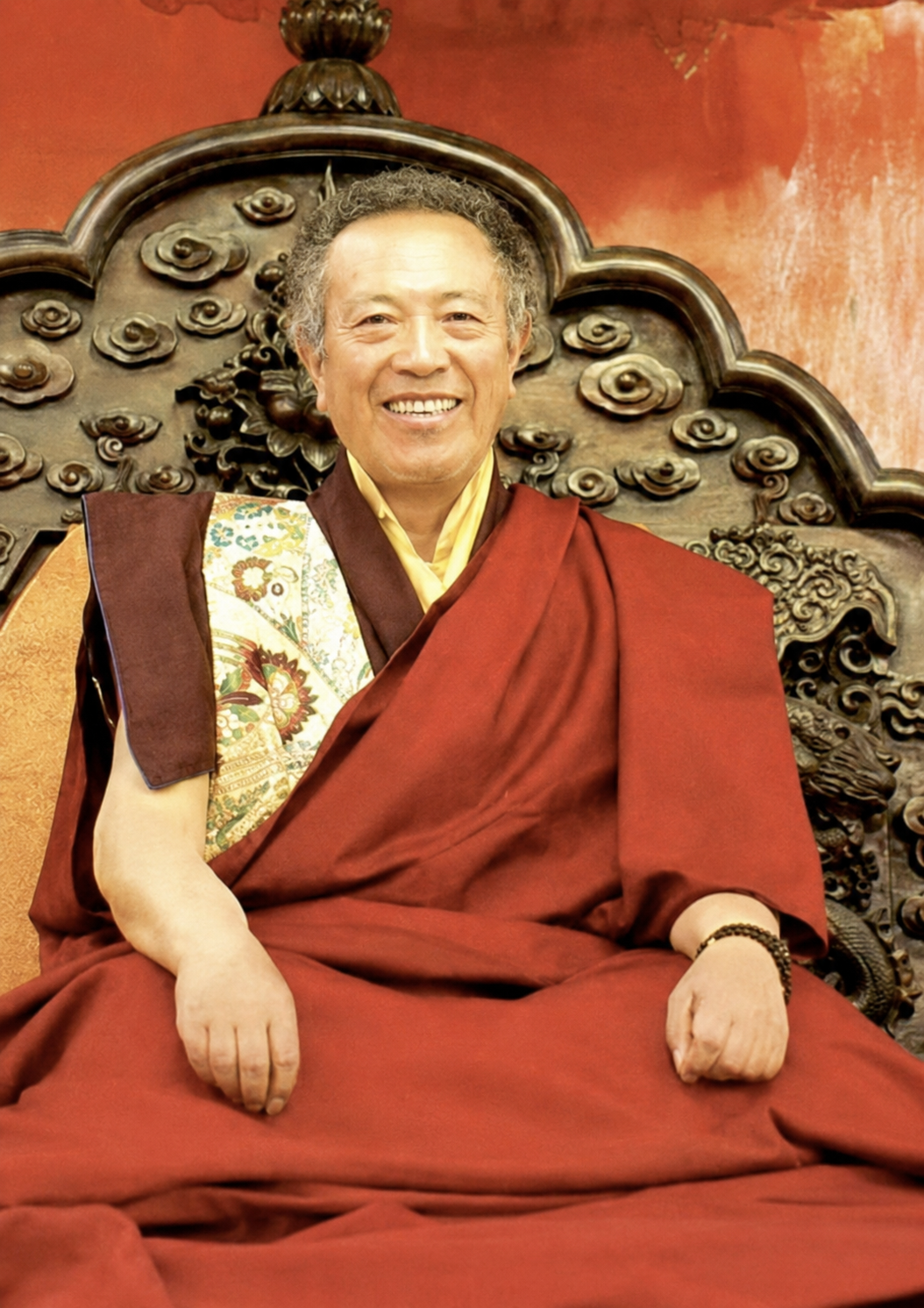
438 in the directory · showing 8
Places
5310 in the directory · showing 8
 Monastery
"Shwesin Tipitaka" The Dhammadhipati Vihara
2 Sutton Rd, Hounslow TW5 0PF, UKBuddhist- Center
1000 Hände Haus
Jakob-Stainer-Gasse 17, 1130 Wien, AustriaBuddhist 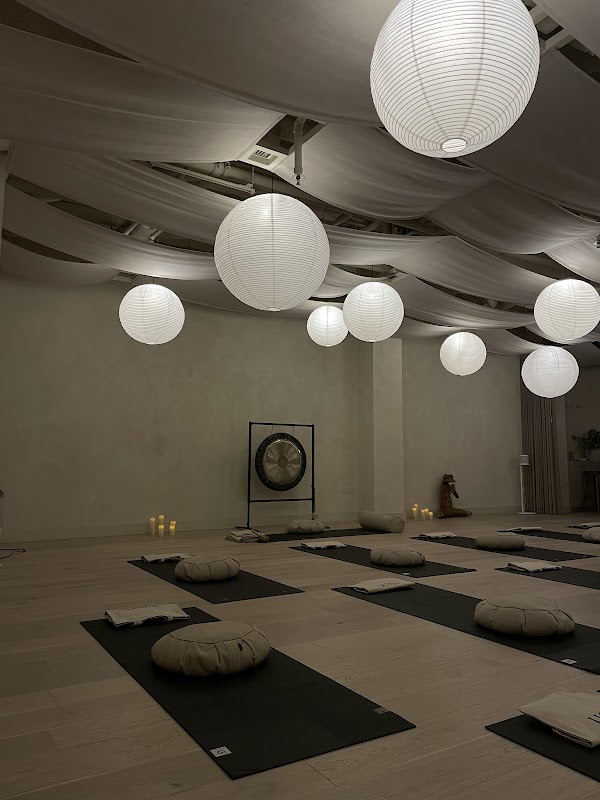 Meditation Center
7Breaths Meditation Studio
4 Rathbone Sq, London W1T 1EB, UKBuddhist- Center
96th Street Sangha
275 W. 96th Street, #4C New York, NY 10025 NYBuddhist 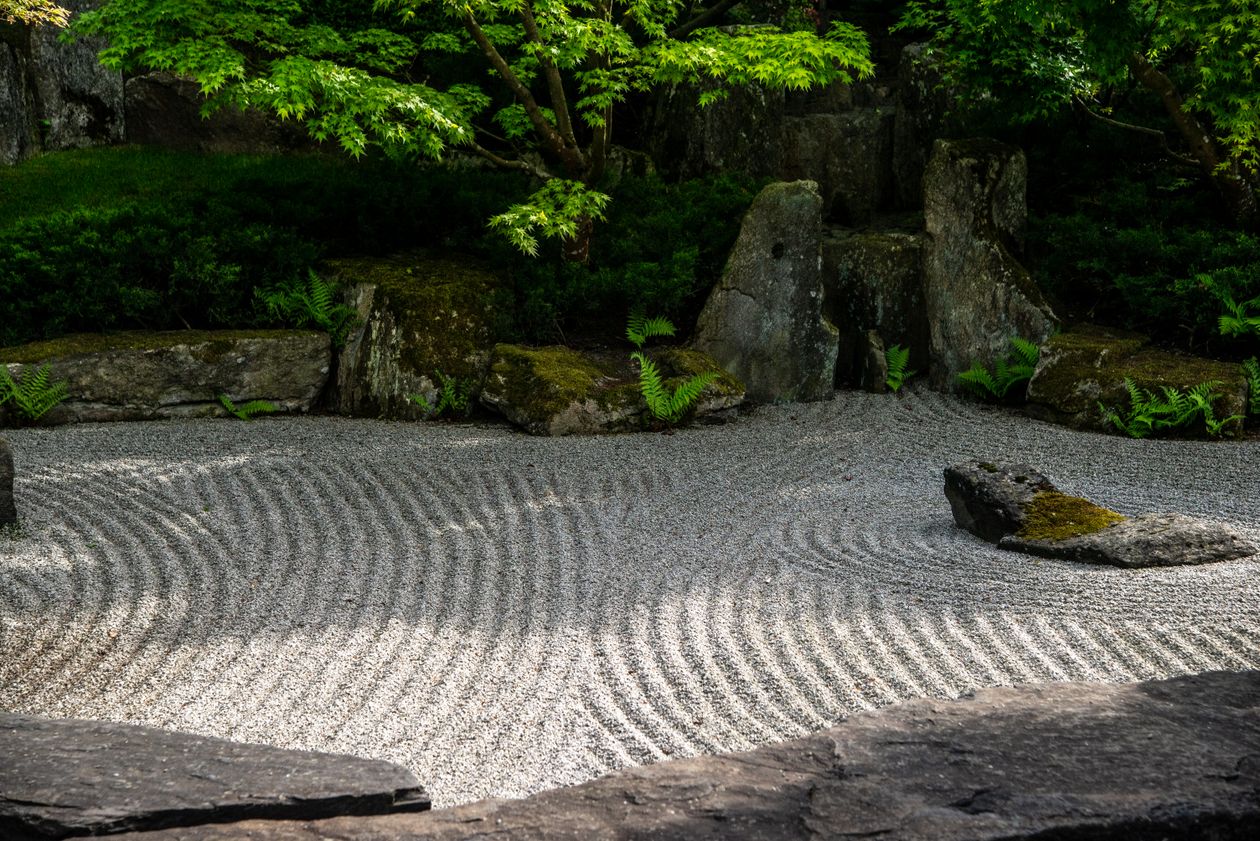 Center
A Compassionate Mind Sangha
5090 Center Street. Salem OR 97317BuddhistZen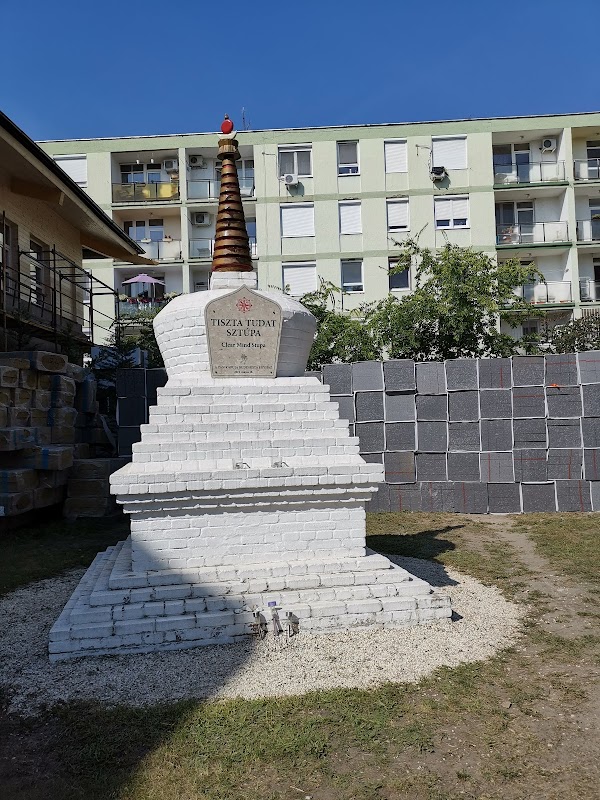 Center
A Tan Kapuja Buddhista Egyház
Budapest, Csengettyű u. 3, 1098 HungaryBuddhist- Center
A.B.E.N Dorje Nyingpo - Paris
A.B.E.N c/o Genevieve Grison 25, Rue Mouraud, 75020 Paris ParisBuddhist - Center
A.S.D. Dharma
Viale Adriatico, 140 b, 00141 Roma RM, ItalyBuddhist