


Photo via Pexels
Advaita Vedanta
The nondual school of Vedānta associated with Śaṅkara — teaching the identity of Ātman and Brahman.
Advaita Vedānta is a major Hindu philosophical tradition teaching that the innermost Self (Ātman) is not other than ultimate reality (Brahman). Śaṅkara (c. eighth century) systematized earlier Upaniṣadic insights through commentaries and a monastic teaching lineage.
Practice includes scriptural study (śravaṇa), reflection (manana), and deep contemplation (nididhyāsana), often alongside meditation and renunciation. Modern teachers from Ramana Maharshi to contemporary Vedānta societies continue to present Advaita for householders and monks alike.
Practices
Śravaṇa–manana–nididhyāsana
Hearing, reflecting on, and contemplating the mahāvākyas of the Upaniṣads.
Self-inquiry (ātma-vichāra)
Tracing the “I”-thought to its source, as emphasized by Ramana Maharshi.
Meditation & japa
Quiet sitting and mantra repetition supporting discrimination (viveka).
Texts
Upaniṣads
Foundational nondual scriptures of Vedānta.
Crest-Jewel of Discrimination
Śaṅkara (attr.)
I Am That
Nisargadatta Maharaj
Teachers
33 in the directory · showing 8
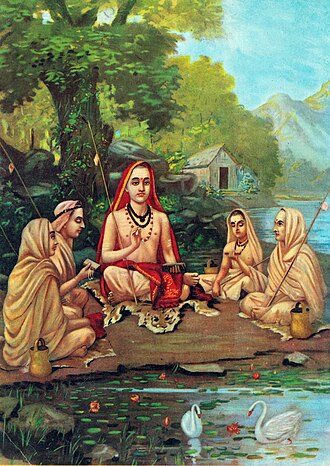
Advaita Vedanta
Adi Shankara
788–820
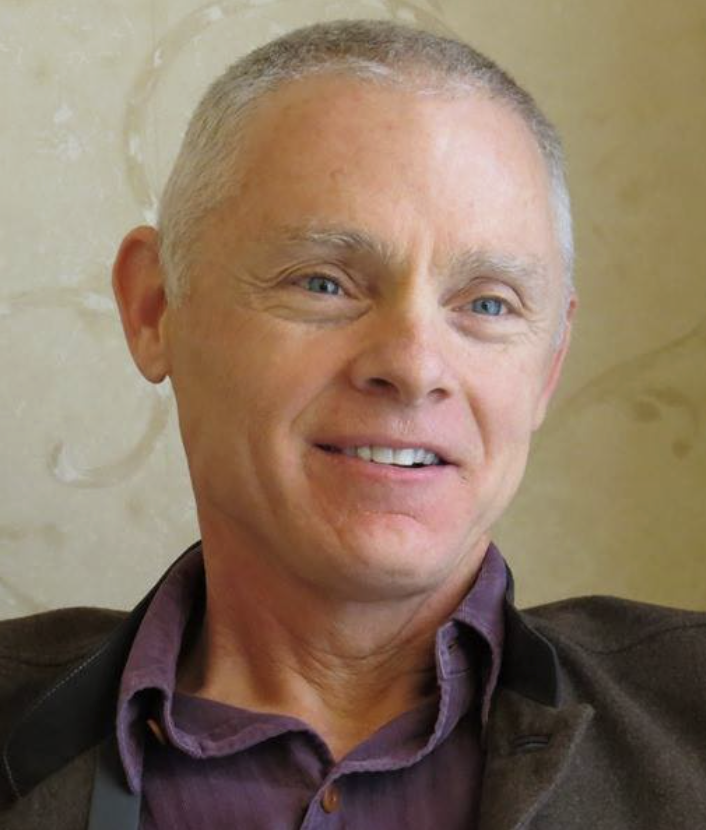
Advaita Vedanta
Adyashanti
Cupertino

Advaita Vedanta
Akilesh Ayyar
United States
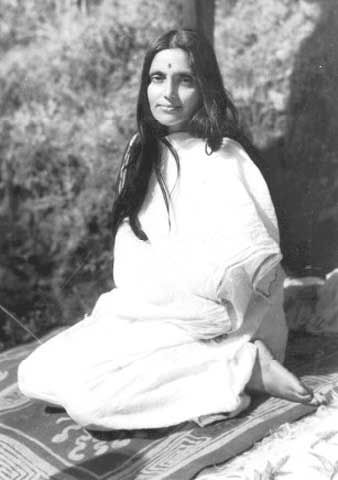
Advaita Vedanta
Anandamayi Ma
1896–1982
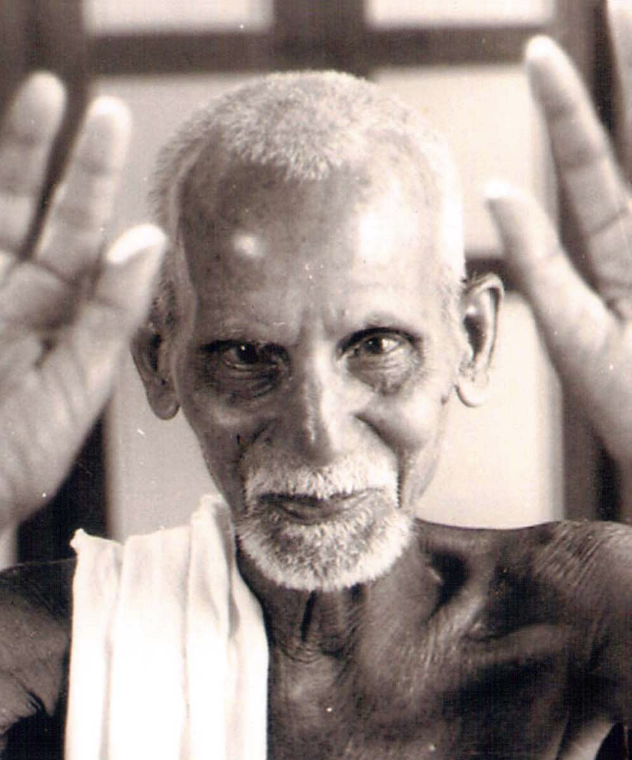
Advaita Vedanta
Annamalai Swami
Unknown
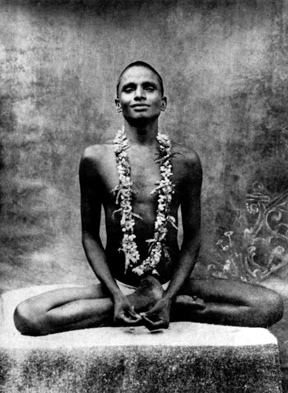
Advaita Vedanta
Bhagawan Nityananda
1897–1961
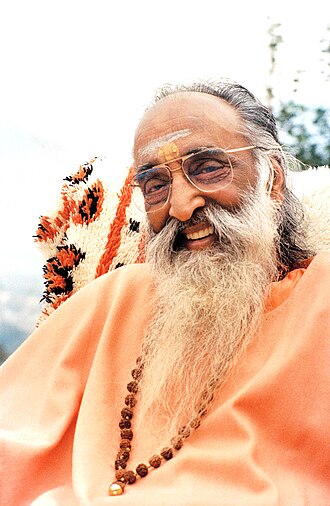
Advaita Vedanta
Chinmayananda Saraswati
1916–1993
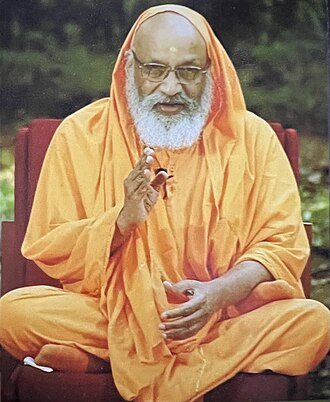
Advaita Vedanta
Dayananda Saraswati
1930–2015