

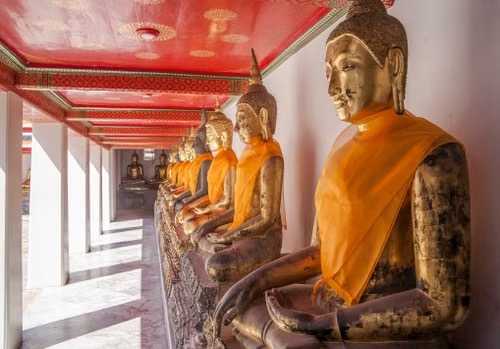
Photo via Pexels
Theravada
The “Teaching of the Elders” — grounded in the Pali Canon and living monastic traditions of South and Southeast Asia.
Theravāda Buddhism preserves the Pali Tipitaka and a continuous monastic vinaya tradition. It is the dominant form of Buddhism in Sri Lanka, Myanmar, Thailand, Laos, and Cambodia, and has deep roots in modern insight (vipassanā) movements.
Doctrinally, Theravāda emphasizes the Four Noble Truths, dependent arising, and the path of sīla, samādhi, and paññā. Laypeople support the Sangha through dana, keep precepts, and practice meditation; monastics uphold the full vinaya. Twentieth-century teachers such as Mahasi Sayadaw, Ajahn Chah, and the Insight Meditation Society founders brought Theravāda methods to a global audience.
Related pages cover Vipassana, Insight Meditation, and Thai Forest lineages.
Practices
Vipassanā (insight)
Noting or observing bodily and mental phenomena to see impermanence, unsatisfactoriness, and not-self.
Samatha (calm)
Concentration practices such as ānāpānasati (mindfulness of breathing) and jhāna training.
Precepts & dana
Ethical restraint and generosity as the foundation of lay and monastic life.
Pali chanting
Recitation of protective and doctrinal verses in temples and homes.
Texts
In the Buddha's Words
Bhikkhu Bodhi (ed.)
- The Heart of the Buddha's Teaching
Thich Nhat Hanh
Visuddhimagga (The Path of Purification)
Buddhaghosa
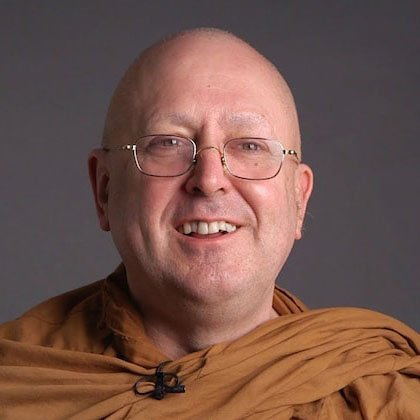
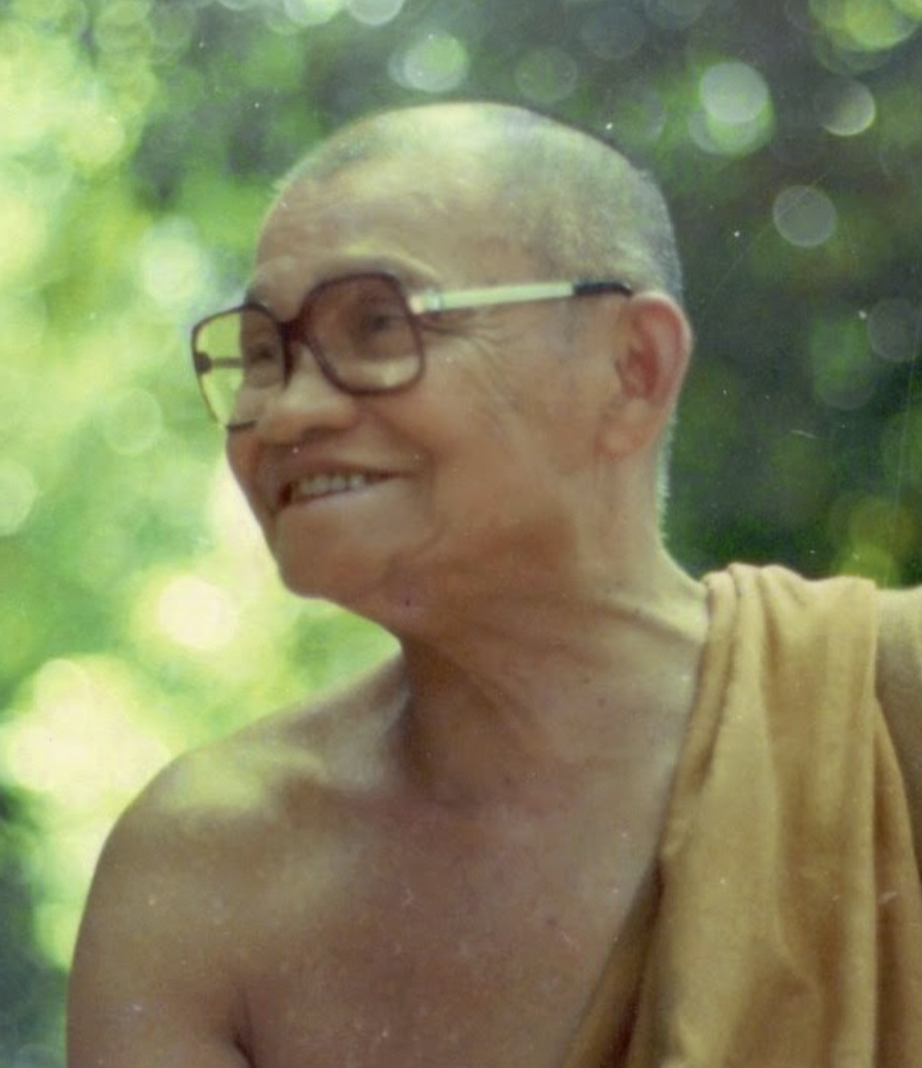
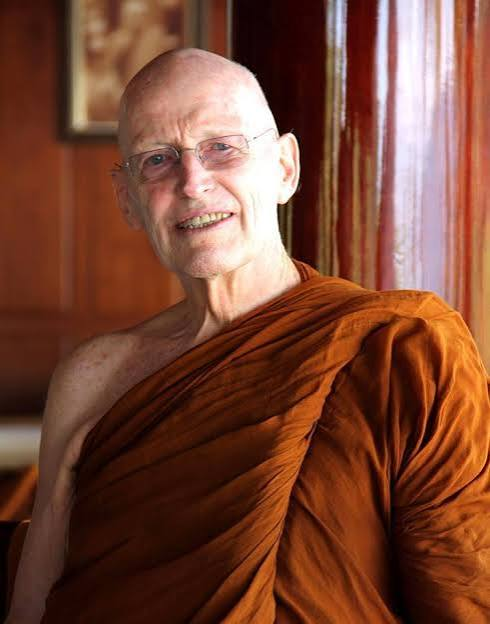
Teachers
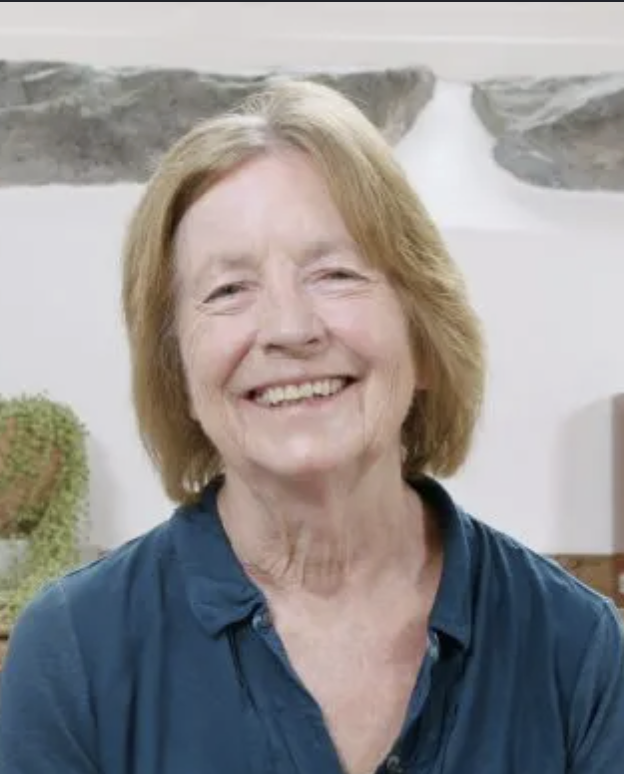
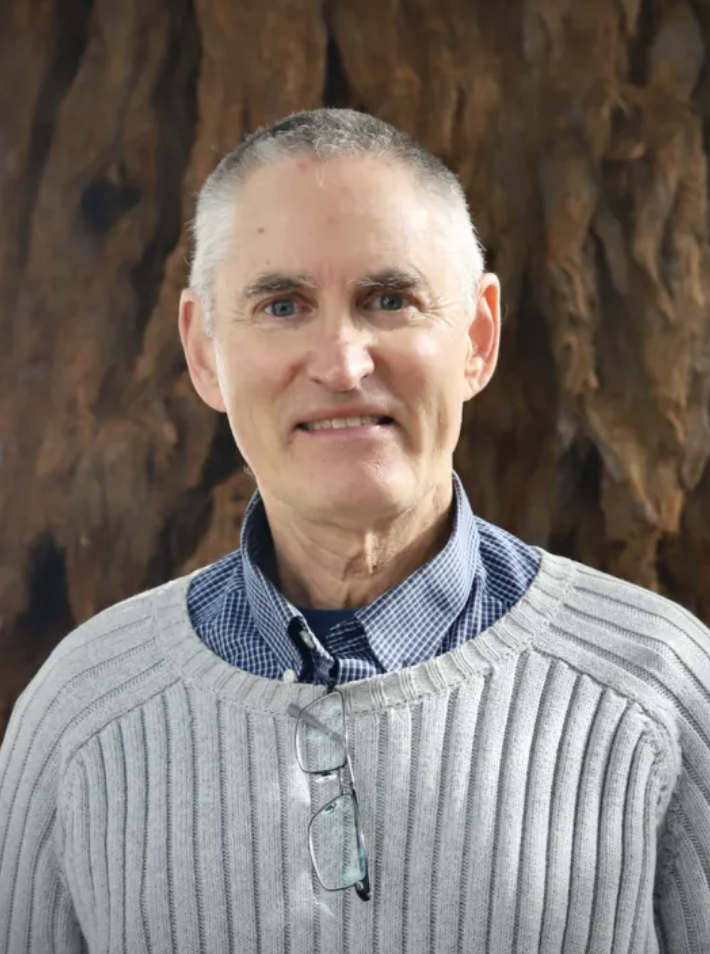
19 in the directory · showing 8

Places
817 in the directory · showing 8
- Center
ASHOK KANCHAN BOUDDHA VIHAR FOUNDATION & RESEARCH WELFARE SAMITI
53,Mahavir Avenue,Fesh-2 ,Makshi Road,Ujjain MP Ujjain 456010BuddhistTheravada - Center
Aanand Buddha Vihar
BANGANGA, North T.T.NAGAR, near NEW MARKET, BHOPLA Madhya Pradesh 462001BuddhistTheravada - Center
Abhayagiri Sangha Foundation
Purana Maha Viharaya, Kabiliyapola Hakmana, Southern Province, Sri LankaBuddhistTheravadaThai Forest - Center
Aburkhil Janakalyan Samiti-Bangladesh
GPO Box No. 1054 Chittagong 4000, BangladeshBuddhistTheravada - Center
Adhar Manik Kalayan Vihar
Vill: Adhar Manik, (Janulotheker Bari), Post: Natun Bazar, Police Station: Raozan,District: Chittagong, Bangladesh. Chittagong 4000BuddhistTheravada - Center
Akhil Bhartiya Boudha Maha Sangha, Mumbai
Aamrpali Bouddha Vihar Matang Rushi Nagar 20,Ft.Road Mandala Mankhurd Mumbai Maharashtra 400043BuddhistTheravada 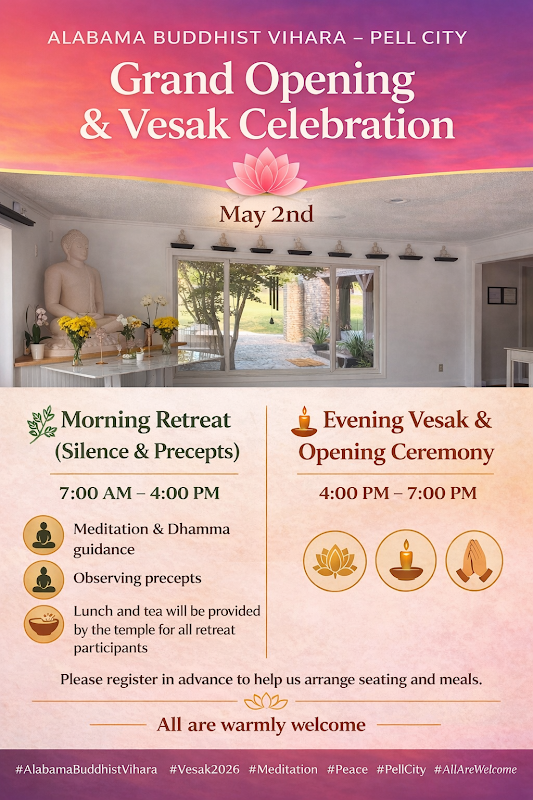 Monastery
Alabama Buddhist Meditation (Vihara)
2100 Hardwick Rd, Pell City, AL 35128, USABuddhistTheravada Center
All Assam Buddhist Association
(President)Balijan Buddhist Temple P.O. Kharikatia (Gen. Secy)Jorhat Buddhist Temple P.O. Rajabari Jorhat Assam 785 014BuddhistTheravada