

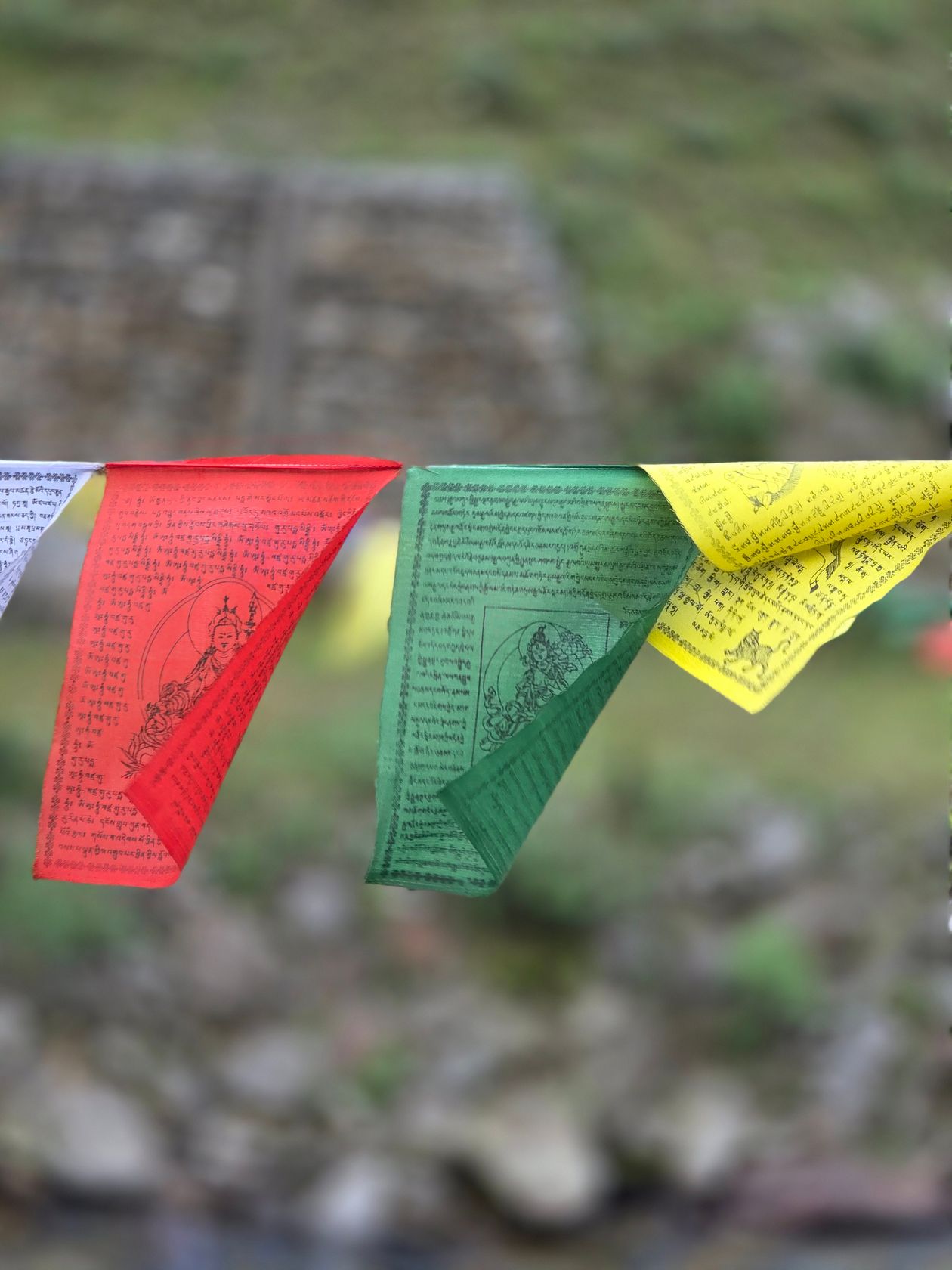
Photo via Pexels
Tibetan
The Buddhist traditions of Tibet and the Himalayas — combining scholastic study, monastic discipline, and Vajrayāna practice.
Tibetan Buddhism developed after Buddhism entered the Tibetan plateau from India and Nepal, especially from the seventh century onward. It preserves Indian Mahāyāna philosophy and the tantric systems known as Vajrayāna, alongside a rich culture of debate, translation, and monastic universities.
The tradition is often organized into major schools — Nyingma, Kagyu, Sakya, and Gelug — with additional movements such as Bon (in its Buddhist-influenced forms), Shambhala, and Diamond Way present in the West. Shared features include guru yoga, deity practice, mantra, and the gradual path from preliminary practices (ngöndro) to advanced meditation.
Exile after 1959 carried Tibetan Buddhism worldwide. Today FPMT centers, Karma Kagyu organizations, Nyingma temples, and independent sanghas offer study and practice across North America and Europe.
Practices
Ngöndro (preliminary practices)
Prostrations, Vajrasattva mantra, mandala offerings, and guru yoga that prepare the mind for deeper tantric work.
Deity yoga & mantra
Visualization and recitation practices associated with awakened forms such as Avalokiteśvara, Tārā, and Padmasambhava.
Analytical meditation
Scholastic contemplation of emptiness, dependent arising, and the stages of the path (*lamrim*).
Retreat
Short and long solitary or group retreats, including traditional three-year retreats in some lineages.
Texts
The Words of My Perfect Teacher
Patrul Rinpoche
Classic Nyingma guide to the preliminaries.
Liberation in the Palm of Your Hand
Pabongka Rinpoche
Influential Gelug lamrim presentation.
- When Things Fall Apart
Pema Chödrön
Contemporary Kagyu-inspired teachings for daily life.
Teachers
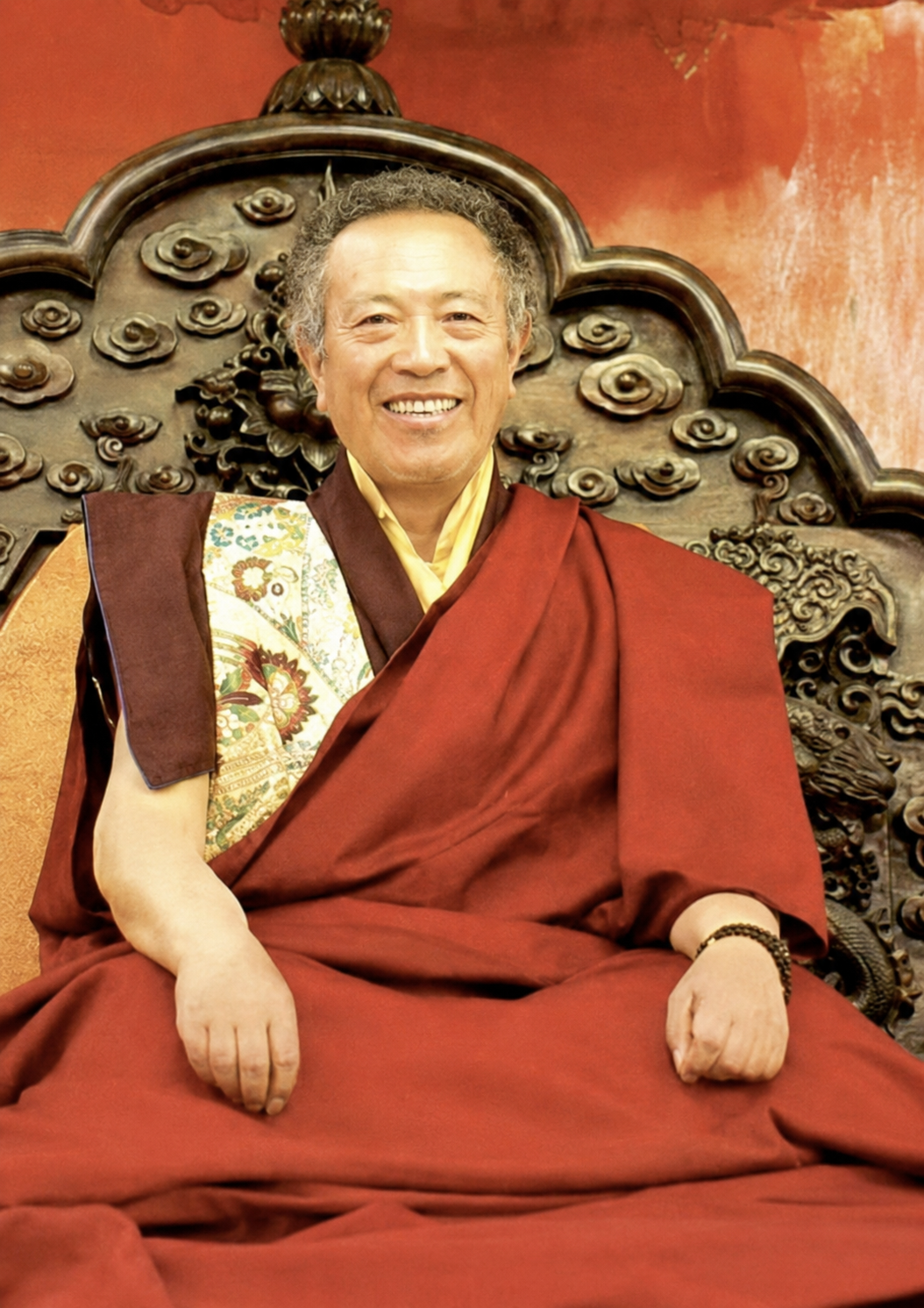
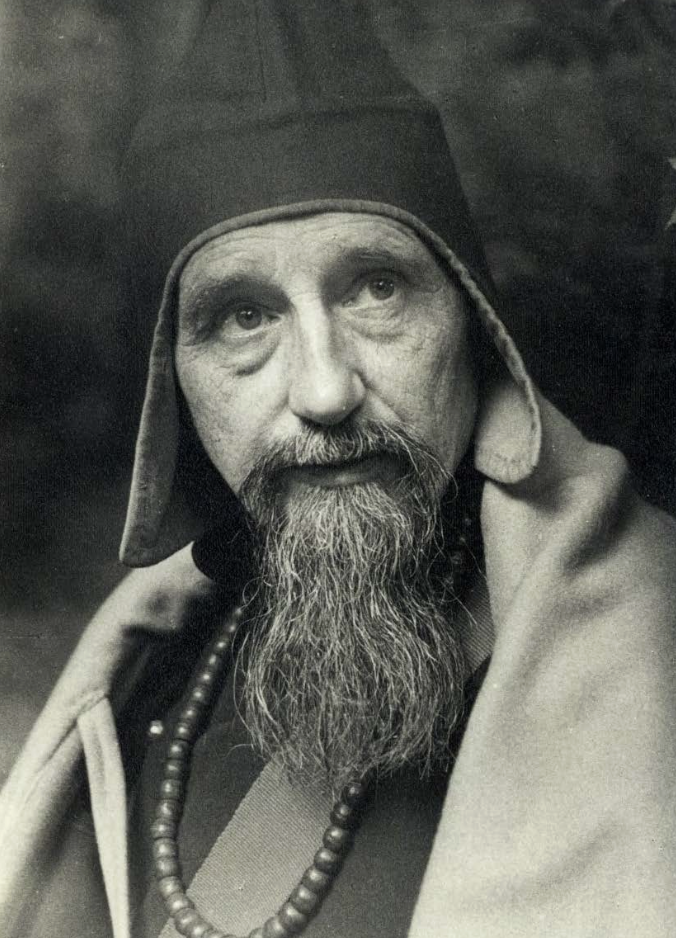
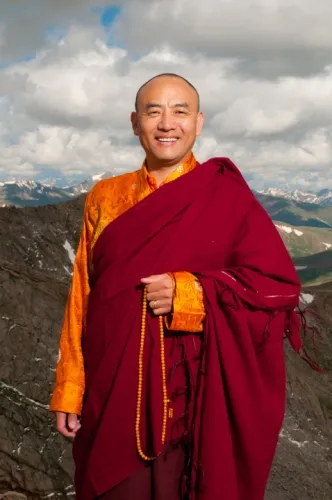
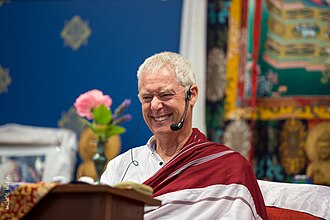
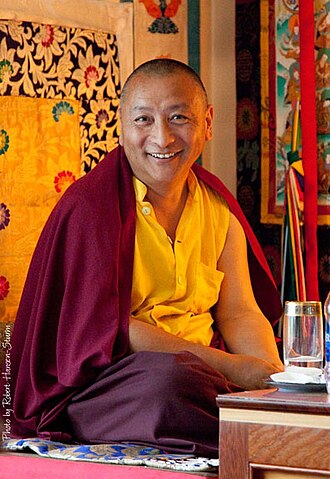
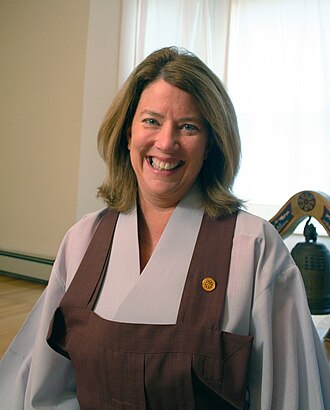
99 in the directory · showing 8
Places
393 in the directory · showing 8
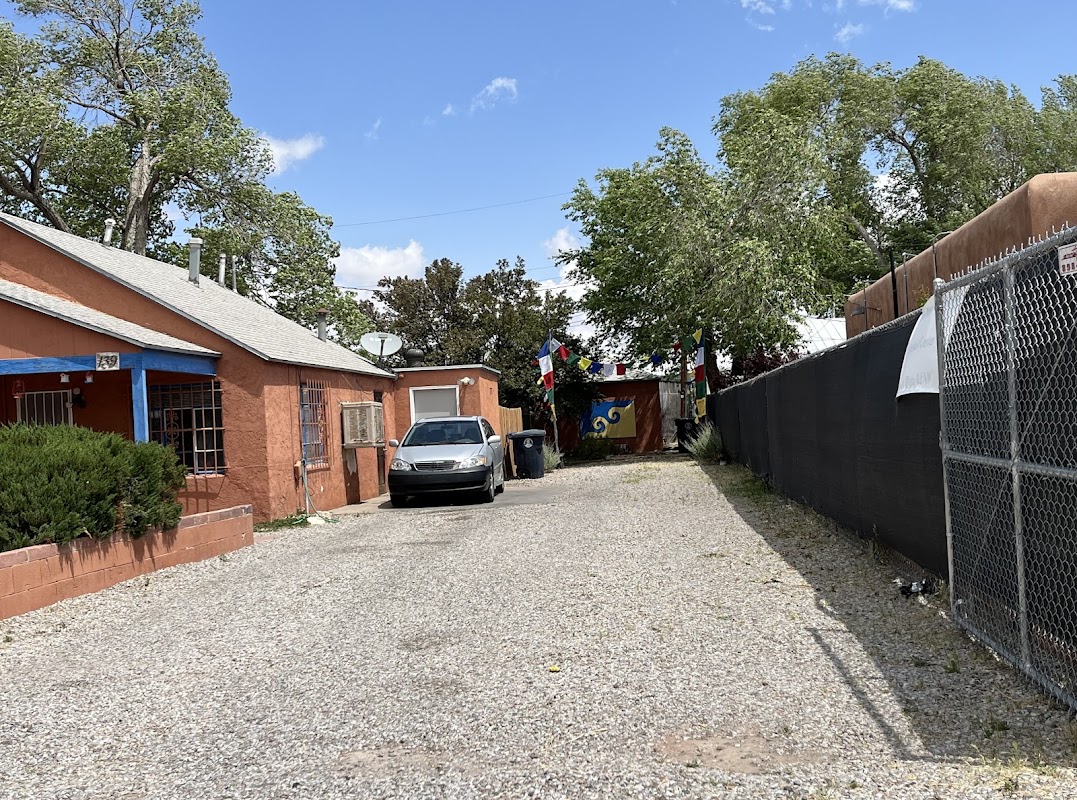 Center
Albuquerque Karma Thegsum Choling
139 La Plata Rd NW, Albuquerque, NM 87107, USABuddhistTibetanKagyu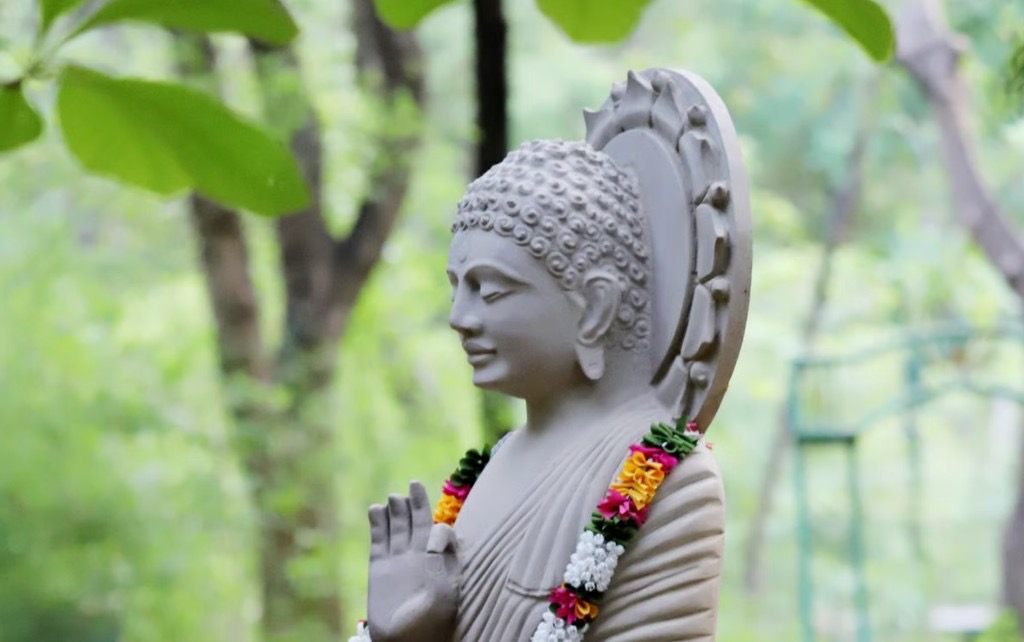 Meditation Center
Alliston Shambhala Meditation Group
92 Wellington Street W. Alliston, ON L0M 1A0 OntarioBuddhistTibetanShambhala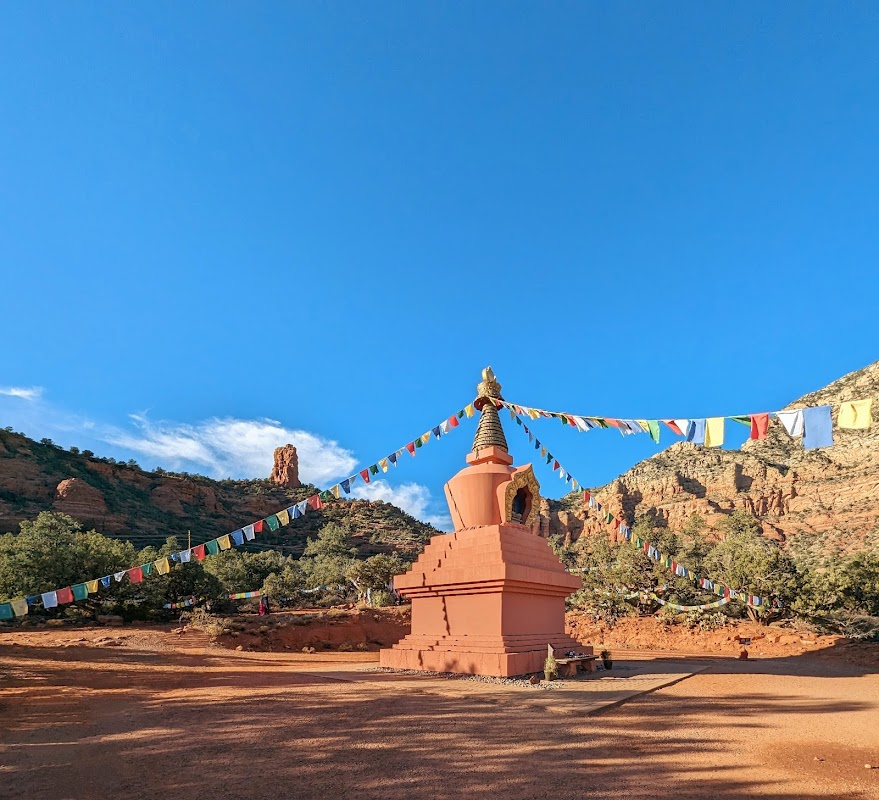 Center
Amitabha Stupa and Peace Park
2650 Pueblo Dr, Sedona, AZ 86336, USABuddhistTibetan- Meditation Center
Annapolis Royal Shambhala Meditation Group
RR#2, Box 2047A Granville Ferry, NS B0S 1K0 Nova ScotiaBuddhistTibetanShambhala 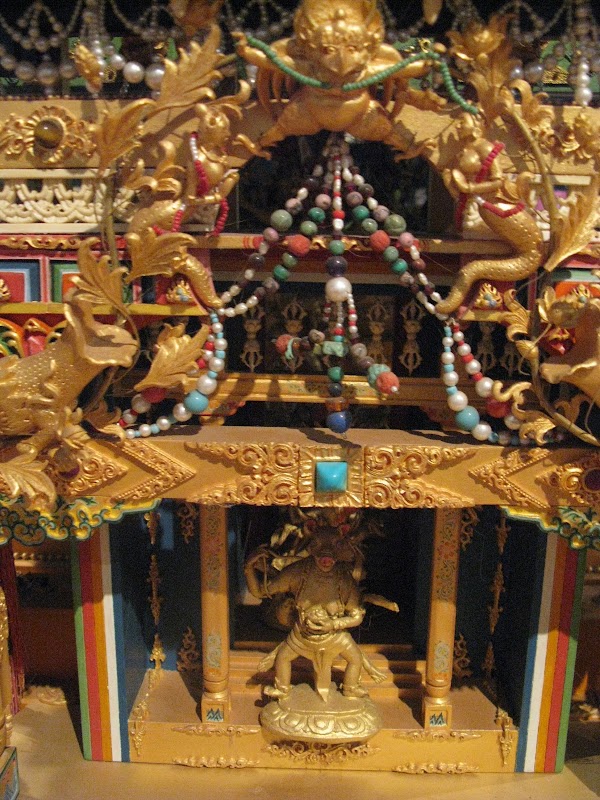 Center
Ari Bhöd
75 S Grand Ave, Pasadena, CA 91105, USABuddhistTibetan- Meditation Center
Asheville Shambhala Meditation Group
36 Montview Drive, Asheville, NC 28801 NCBuddhistTibetanShambhala - Center
Association Padma Ling
116-118 Bd Ménilmontant, 75020 ParisBuddhistTibetanNyingma 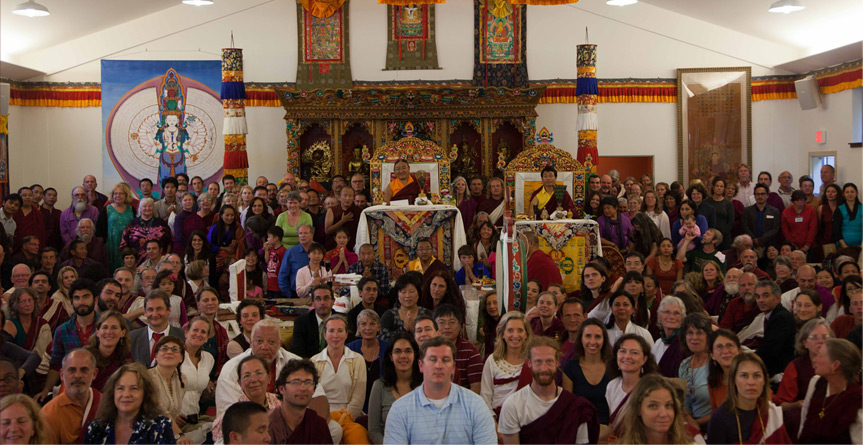 Center
Ati Ling
23125 Fort Ross Rd, Cazadero, CA 95421, USABuddhistTibetanNyingma