


Photo via Pexels
Soto
The Japanese Zen school of Dōgen and Keizan, centered on shikantaza — “just sitting.”
Sōtō Zen was transmitted to Japan by Eihei Dōgen (1200–1253) and later organized by Keizan Jōkin. Its signature practice is shikantaza: objectless sitting that trusts Buddha-nature as already present rather than chasing special states.
Sōtō became Japan’s largest Zen school, with deep roots in parish temples and mountain monasteries such as Eihei-ji and Sōji-ji. In the West, Shunryu Suzuki, Taizan Maezumi, and others founded major centers (SFZC, ZCLA, White Plum sanghas) that still shape American Zen.
Practices
Shikantaza
Open awareness sitting without a meditation object or gain-seeking agenda.
Oryoki & monastic forms
Formal eating and temple routines that embody mindfulness.
Genjōkōan study
Engaging Dōgen’s writings as contemplative texts, not only philosophy.
Texts
Shōbōgenzō
Eihei Dōgen
- Zen Mind, Beginner's Mind
Shunryu Suzuki
Teachers
159 in the directory · showing 8



Places
11 in the directory · showing 8
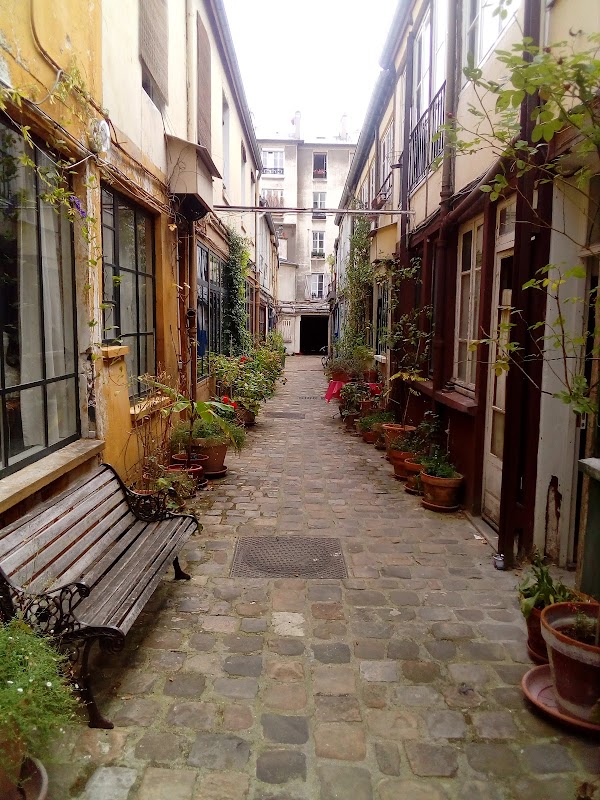 Center
Centre europeen du bouddhisme soto zen
277 Rue du Faubourg Saint-Antoine, 75011 Paris, FranceBuddhistZenSoto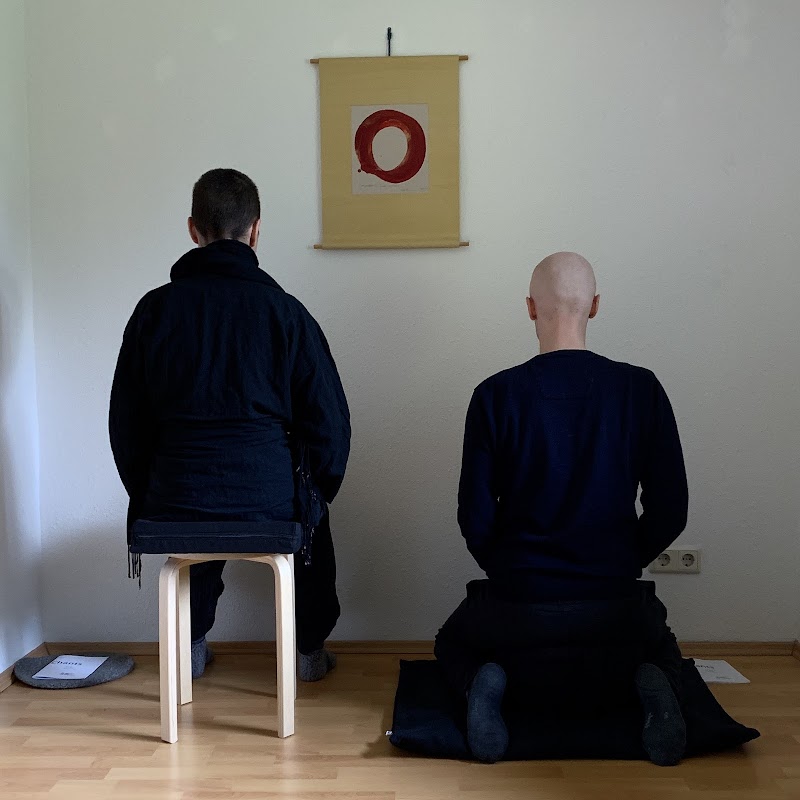 Center
Daijihi Soto Zen Sangha
Jakob-Stainer-Gasse 17, 1130 Wien, AustriaBuddhistZenSoto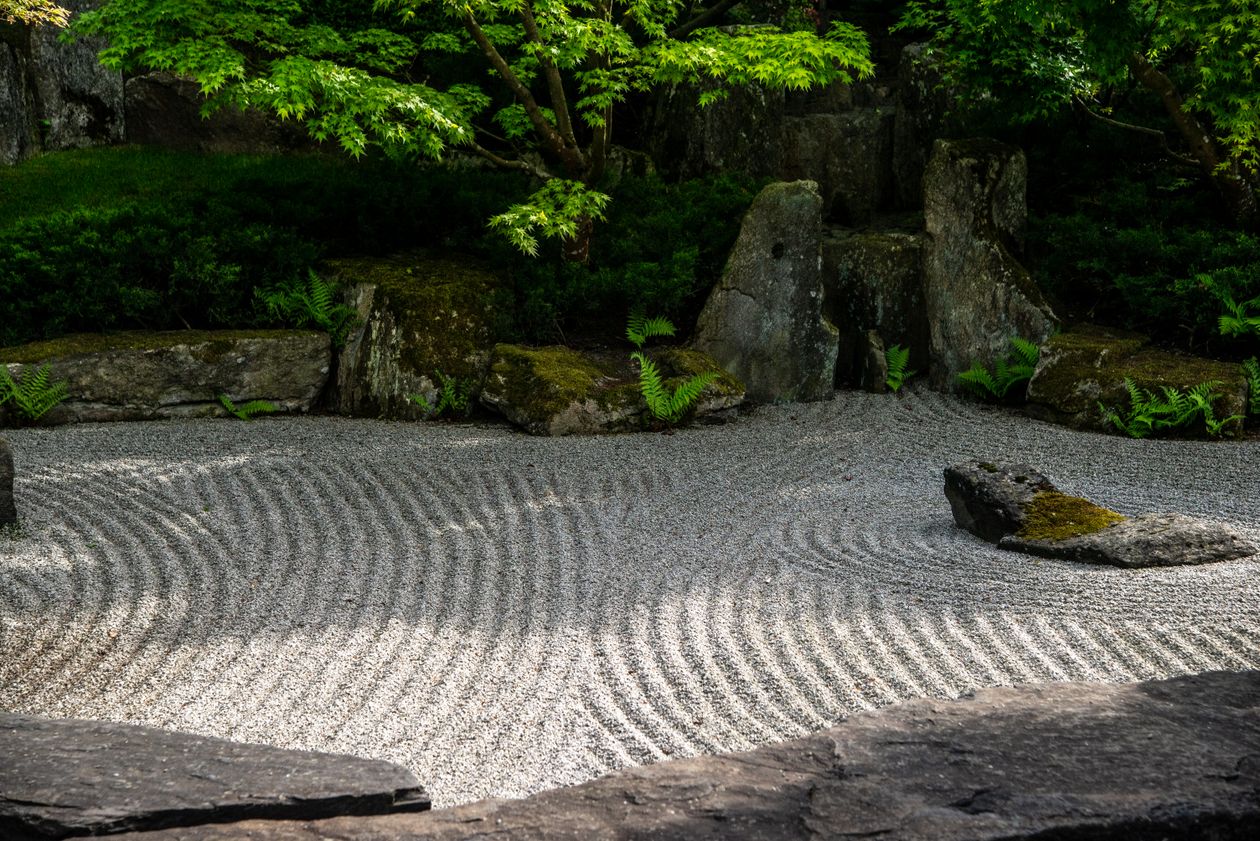 Center
Daiko-ji Soto Zen CentreTerrace
61.0667, -107.9917BuddhistZenSoto- Center
Dojo Soto Zen
Setor Bancário Norte Edifício Paulo Maurício, Sala 1107 SCLN 116, Bloco D, sala 106 Brasília (Distrito Federal) BrasiliaBuddhistZenSoto - Center
Dojo Soto Zen-budista
Scln 116, Bl- D , Sala 106 (Kobun). CEP70000 - DF BahiaBuddhistZenSoto - Center
Istituto Zen Soto Shobozan Fundenji
Bargone 113 43039 Salsomaggiore PRBuddhistZenSoto 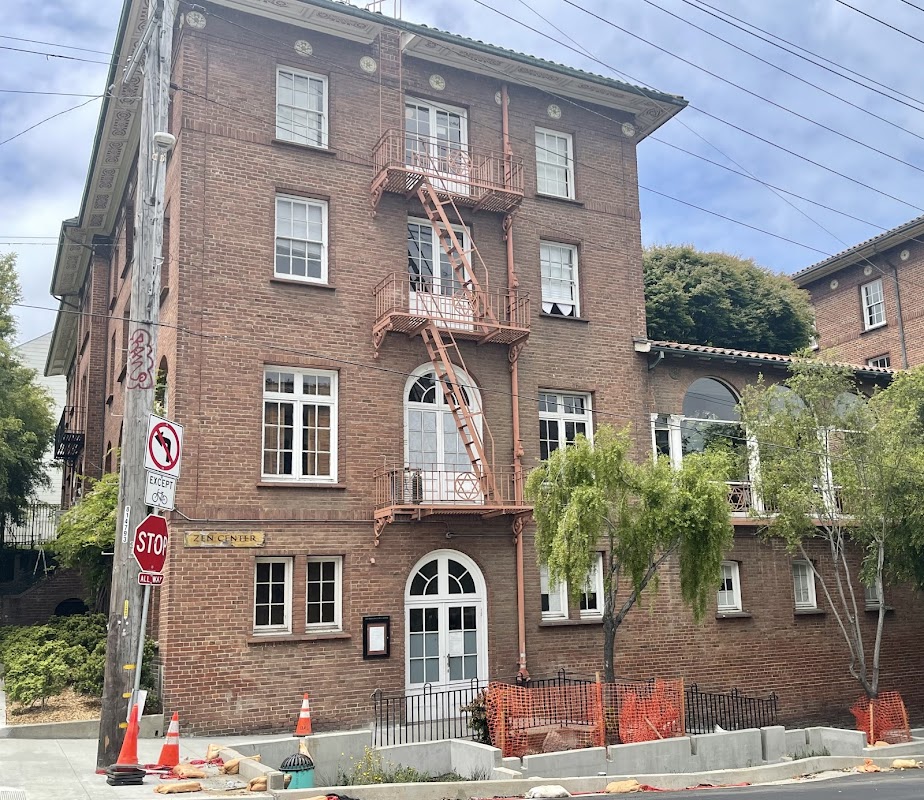 Center
San Francisco Zen Center
300 Page St, San Francisco, CA 94102, USABuddhistZenSoto- Temple
Seidoan Soto Zen Buddhist Temple
418 Curwood Lane, Boone, NC 28607 NCBuddhistZenSoto